Arequipa Altitude: What to Expect & How to Avoid Altitude Sickness
Updated Date:
Arequipa altitude sits around 2,335m above sea level, a comfortable “middle” altitude that makes it one of the smartest acclimatization stops on a Peru itinerary. Instead of flying straight from Lima’s sea level to high Cusco, using the coast and Arequipa as stepping stones can make the jump to the Andes feel much easier on your body.
Quick summary
Arequipa altitude: approx. 2,335m (7,660 ft), significantly higher than Lima (sea level) but much lower than Cusco and Puno.
Risk level: Most healthy travelers feel little or nothing in Arequipa; some notice light shortness of breath walking uphill or mild fatigue the first day.
Altitude ladder: Lima (0m) → Paracas/Huacachina (near sea level to ~400m) → Arequipa (~2,335m) → Cusco/Sacred Valley (around 2,800–3,400m).
Ideal plan: Spend a night or two on the coast, then 2–3 days in Arequipa before continuing to Cusco. This follows common advice to avoid big, sudden jumps in sleeping altitude.
Who feels it most: People coming straight from sea level by flight, travelers with heart or lung conditions, those who push hard on day one, or anyone heading quickly to Colca Canyon above 3,000–4,000m.
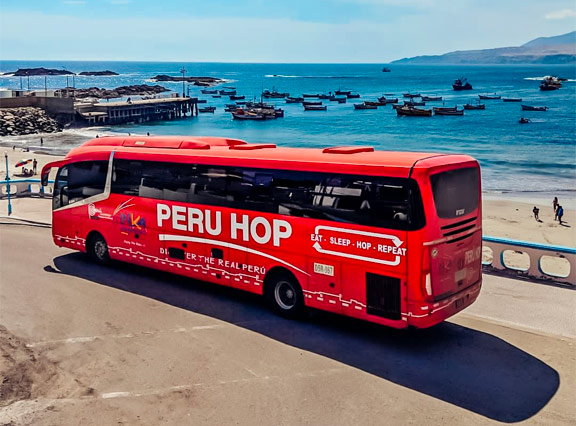
Best travel option:Peru Hop is the most traveler-friendly way to go Lima–Arequipa–Cusco, combining gradual altitude gain with hotel pickups, onboard information and support if anything feels off. Public buses are more “DIY”, with terminals, taxis and minimal help.
Arequipa is usually the perfect “practice altitude” – high enough to help your body adapt, but not so high that your entire stay revolves around soroche (altitude sickness).
How high is Arequipa compared to other cities?
Lima: 0–154m
Paracas: almost at sea level
Huacachina / Ica: around 400m
Arequipa: about 2,335m.
Cusco: around 3,399m
Puno / Lake Titicaca: close to 3,827m
Colca Canyon viewpoints and passes: often between 3,200m and over 4,000m
You can see why Arequipa is so useful: it slots neatly between the coast and the really high Andean cities.
Why 2,335m is a “middle altitude” sweet spot
Altitude issues become more likely when you jump quickly above roughly 2,500–2,750m in one day, and especially once you start sleeping above 3,000m.
Arequipa sits just under that threshold. That means:
It’s high enough that your body starts adapting (breathing a little deeper, making more red blood cells).
It’s low enough that serious altitude illness is rare in otherwise healthy people, especially if they came via the coast instead of flying straight from sea level.
How Arequipa altitude feels like day to day
Typical sensations
Most travelers in Arequipa describe things like:
Slightly faster breathing when walking uphill, especially the first day.
Feeling a bit sleepier than usual after long travel plus the new altitude.
Maybe a light headache if they didn’t drink much water or had a couple of pisco sours too quickly.
These are mild and usually pass after a good night’s sleep and hydration. Things that are not normal and deserve attention:
Strong, pounding headache that doesn’t improve with rest and water
Nausea or vomiting
Severe dizziness or confusion
Shortness of breath even when sitting still
If you experience these, you’re edging into altitude illness territory and should rest, avoid going higher, and get checked by a doctor if symptoms don’t improve.
How long to stay in Arequipa for acclimatization
For most itineraries:
Minimum: 2 days in Arequipa before Cusco or Puno
Ideal: 3 days if you plan to go higher quickly
The good news is that Arequipa is an easy place to “take it slow”: sunny plazas, the Santa Catalina Monastery, and excellent food make rest days feel like part of the holiday, not a medical stopover.
Who is more likely to feel Arequipa altitude
You’re more likely to feel the altitude (even at 2,335m) if:
You arrive overnight and exhausted, especially after long flights.
You have existing heart or lung conditions – here, getting personalized advice from your doctor before travel is essential.
You’re over 60 and haven’t been at altitude in years.
You push hard on day one: carrying heavy bags up steep streets, doing long runs, or heading straight into a high-altitude trek.
Locals call mild altitude symptoms soroche – it’s common enough that most hotels in Arequipa know how to help you take it easy if you mention it.
Colca Canyon and other side trips above 3,000–4,000m
Remember that Colca Canyon viewpoints and passes go above 3,000–4,000m, so even if you felt nothing in the city, you might notice the thinner air on a Colca tour.
For day trips that go higher, it’s better to:
Have at least 2–3 days in Arequipa first.
Plan high-altitude hikes with operators that build acclimatization and pacing into their itineraries.
Why Lima–coast–Arequipa–Cusco is the smart acclimatization plan
Flying from Lima straight to Cusco means jumping from sea level to about 3,399m in roughly an hour. Many travelers are fine; many others spend their first day or two feeling rough and missing out.
Altitude ladder: Lima → Paracas/Huacachina → Arequipa → Cusco
A more body-friendly ladder looks like:
Lima (0–154m): Land, recover from flights, maybe explore Miraflores and Barranco. For airport–city transfers, it’s worth choosing a safe, pre-booked option so you’re not starting your trip negotiating with taxis.
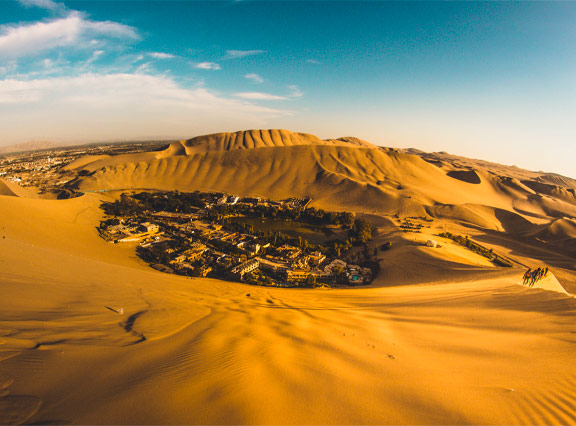
Paracas (sea level) & Huacachina (~400m): Gentle warm-up along the coast with sea-breeze days and dune sunsets.
Arequipa (~2,335m): First “real” altitude, but still moderate. Take 2–3 days here.
Cusco / Sacred Valley (around 2,800–3,399m): By the time you reach Cusco, your body has had several days of gradual ascent instead of one big shock.
This progression matches the general rule of avoiding rapid jumps above 2,750m and, once above 3,000m, increasing sleeping altitude more slowly.
Example 10 day Peru route using Arequipa as your step-up
A typical “smooth altitude” itinerary might look like:
Days 1–2: Lima (city, coastal cliffs, Barranco)
Days 3–4: Paracas & Huacachina (Ballestas Islands, desert oasis)
Days 5–7: Arequipa (historic center, Santa Catalina, Colca day tour and maybe Ruta del Sillar)
Days 8–10+: Cusco, Sacred Valley & Machu Picchu
This gives you time to climb the altitude ladder gradually while still seeing Peru’s big highlights. See this complete itinerary of 10 days in Peru itinerary here.
Getting to Arequipa the acclimatization-friendly way
Peru Hop: coast + gradual ascent
For overland travelers, Peru Hop is often the easiest way to do the Lima–Paracas–Huacachina–Arequipa–Cusco chain without turning into your own travel agent.
Key advantages on an altitude-focused trip:
You can hop off on the coast for a night or two to visit “hidden gems” such as viewpoints, vineyards and local food stops that turn a simple transfer into a real travel experience – all on the same flexible pass.
Hotel/hostel pickups in areas like Miraflores and Barranco mean you avoid stressful terminals and taxi negotiations with all your luggage.
Onboard guides explain what to expect at higher altitudes, help rebook if you need an extra rest day, and share simple tips to avoid soroche.
For first-time visitors or those worried about health, Peru Hop is usually best for travelers who value support, door-to-door logistics and hidden-gem stops along the way.
Flights: fastest but can skip crucial acclimatization
Flying Lima–Arequipa is quick and convenient, and works well if you’re short on time and comfortable with altitude.
Downsides:
You skip the coast entirely.
You risk arriving in Arequipa tired and dehydrated from air travel, which makes altitude feel harsher.
It’s tempting to then hop straight to Cusco, stacking two altitude jumps too close together.
Flights are best for repeat visitors or those on very tight schedules who already know how they react to altitude.
Public buses: more terminals and taxis
Direct public buses between Lima, Ica and Arequipa are designed mainly for locals who speak Spanish and know the city layouts, so they just want to go A to B with minimal stops.
Trade-offs:
Terminals are far from tourist districts, so you’ll need taxis on both ends – including Lima’s chaotic traffic out to big terminals.
You handle everything yourself if you feel unwell: changes, refunds, finding clinics, language barriers.
Buses usually skip coastal “soft landing” stops, going overnight straight to Arequipa instead.
Public buses are best for local Peruvian travelers who’ve already seen the coast and are comfortable with DIY logistics.
Practical tips for altitude sickness
First 24 hours in Arequipa
Hydrate more than you think (water and herbal teas; go easy on alcohol the first night).
Plan a gentle walking day: Plaza de Armas, viewpoints, maybe Santa Catalina in the afternoon.
Eat lighter meals than usual; heavy food plus altitude and travel fatigue is a rough combination.
Sleep: close the curtains, use earplugs if needed, and let your body catch up.
When to talk to a doctor or change plans
Seek local medical advice if:
Headaches become strong and persistent
You feel short of breath at rest
Nausea, confusion or unsteadiness appear
If symptoms worsen, the golden rule is simple: don’t go higher until you improve, and consider going lower if you can.
One advantage of routing via Arequipa is exactly this: if altitude bothers you here, you can adjust your plan before committing to even higher destinations like Puno or high-altitude treks.
FAQs
Is Arequipa high enough to help with altitude acclimatization?
Yes. At around 2,335m, Arequipa is high enough that your body begins adapting to thinner air while still being gentler than Cusco or Puno. Spending 2–3 nights here after Lima and the coast is an effective step before moving on to higher Andean cities.
Can you get altitude sickness in Arequipa?
Severe altitude sickness is uncommon in Arequipa for healthy travelers, but mild symptoms like headaches, fatigue or shortness of breath on hills can occur, especially on the first day.
Is Arequipa or Cusco better to visit first?
If possible, visit Arequipa first. Its moderate altitude makes it a much easier introduction to the Andes and can significantly reduce the chances of feeling unwell when you later reach Cusco.
How long does it take to acclimatize in Arequipa?
Most travelers feel well after one night, but staying 2–3 days gives your body time to adapt and makes onward travel to higher destinations much more comfortable.
Should I take altitude sickness medication in Arequipa?
Most people don’t need medication at this altitude. Hydration, rest and gradual ascent are usually enough. If you have concerns or underlying health conditions, talk to your doctor before your trip.